
How to Bring Vineyard-Inspired Landscape Design to Your Napa Valley Home
There’s something timeless about a vineyard landscape. The symmetry of the vines, the warmth of natural stone, the soft movement of grasses in the breeze — it all speaks to a lifestyle rooted in nature, rhythm, and quiet elegance. For Napa Valley homeowners, this style isn’t just reserved for working vineyards. With the right approach, it’s entirely possible to bring that feeling home.
Whether you’re designing a new landscape or upgrading an existing one, vineyard-inspired landscape design ideas can help you craft an outdoor space that feels grounded, intentional, and deeply tied to the region’s identity. From material choices to layout principles, this guide shares how to achieve that signature wine country look — no grape rows required.
Vineyard-Inspired Landscape Design Ideas for Your Property
You don’t need acres of grapevines to channel the beauty of Napa Valley’s wine country. The key is to borrow from the region’s most iconic landscape features — and adapt them to fit your space, lifestyle, and views. Below are five standout elements that can bring that distinct vineyard feel to your home.
Framed Views and Axial Layouts
One of the defining characteristics of vineyard landscapes is their sense of order and flow. Vines are planted in perfectly spaced rows, creating sightlines that naturally guide the eye toward distant hills, a grove of trees, or a sunset horizon.
You can recreate this effect by:
- Aligning walkways, planters, or walls with key views
- Using hedges, trees, or trellises to frame focal points
- Creating long axes through the garden that feel purposeful and serene
This kind of structured layout not only mimics vineyard geometry — it also brings clarity and calm to your overall design.
Grape Vines and Trellised Structures
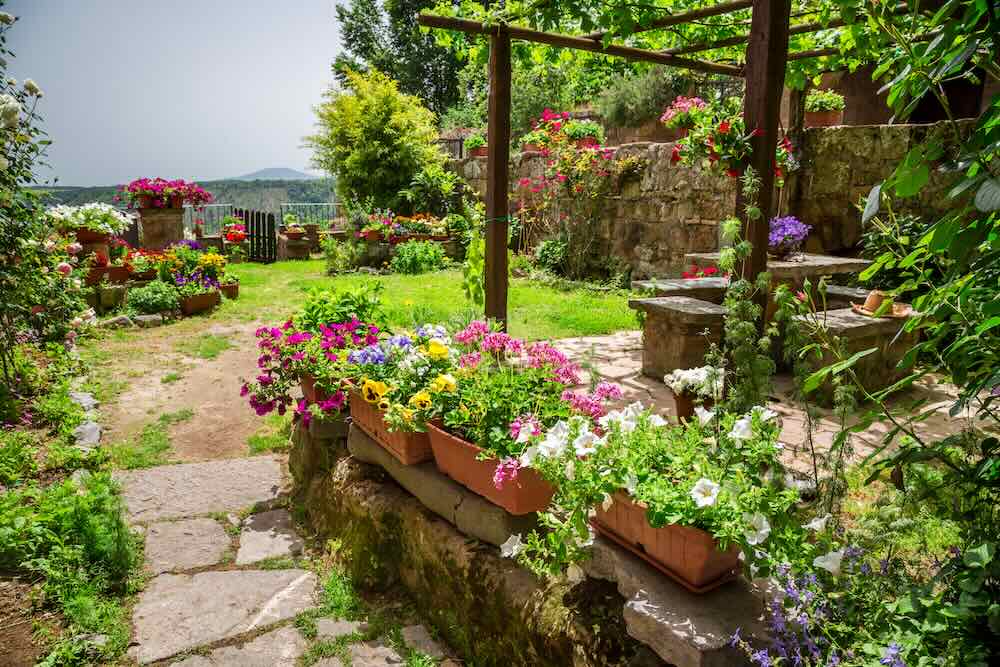
Nothing evokes wine country quite like a canopy of grapevines. Even if you’re not making your own vintage, trellised vines add shade, movement, and authenticity.
Consider incorporating:
- A pergola draped with table grapes over a dining area
- Espaliered vines trained along a sunny wall or fence
- Arbors or entry gates accented with grapevine clusters
If grapes aren’t practical, substitute with climbing roses, passionflower, or jasmine to maintain the vineyard effect with local flair.
Crushed Gravel Paths and Stone Details
Material choice is essential in achieving the vineyard look — and nothing sets the tone like decomposed granite paths, reclaimed stone walls, and rustic wood accents.
These natural materials:
- Blend effortlessly with surrounding soil and plantings
- Offer low maintenance and permeability
- Reflect the textures found in historic wine estates across Europe and Napa
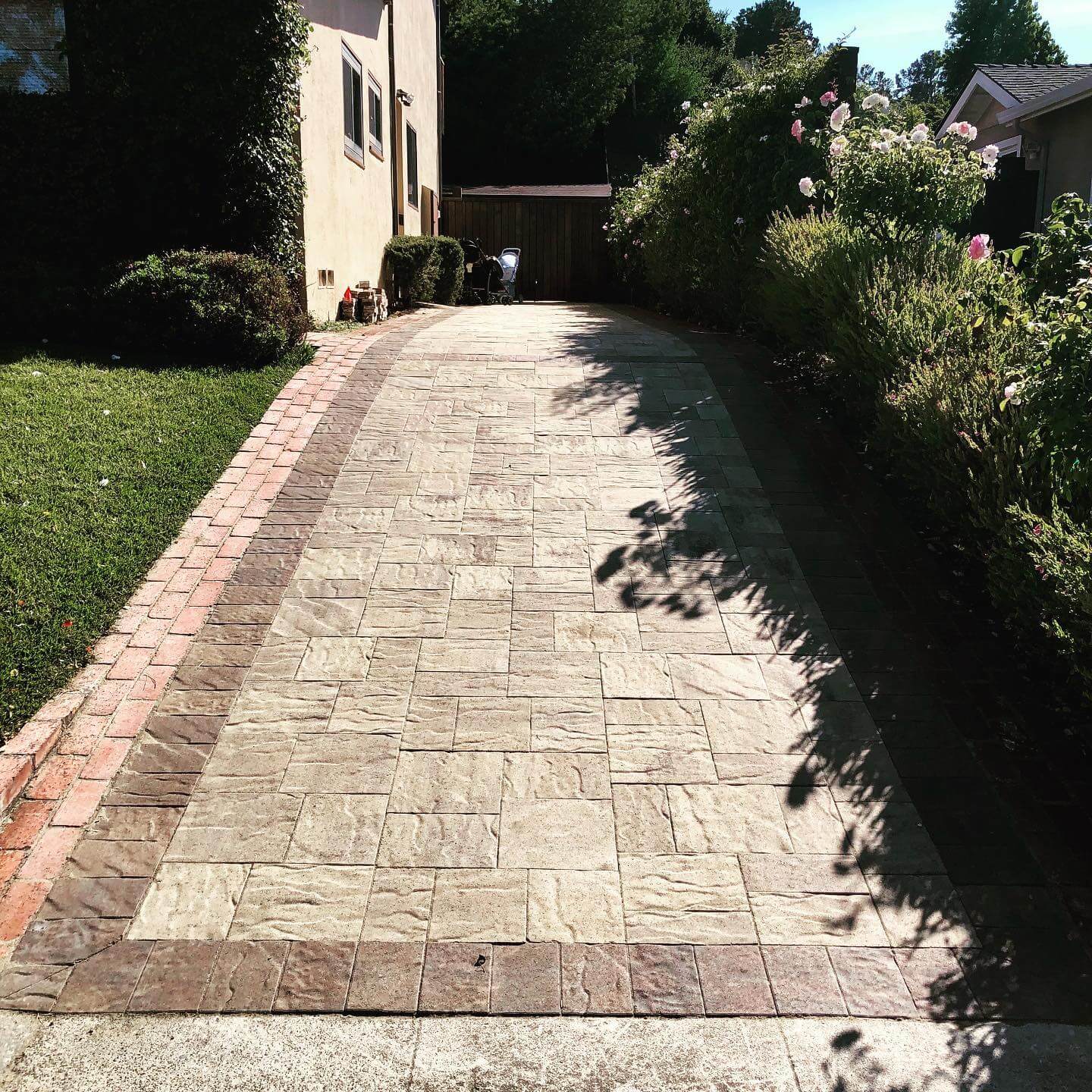
Use crushed gravel for walkways, natural stone for steps and edging, and weathered timber for fencing or benches to create a tactile, organic feel.
Mediterranean Plant Palettes
Wine country gardens are defined by their low-maintenance, drought-tolerant plantings — a reflection of both climate and sustainability. The best landscape palettes feel wild, seasonal, and softly layered.
Core plant types include:
- Lavender, rosemary, and thyme — for scent, pollinator support, and color
- Olive trees and citrus — for form and fruit
- Grasses like feather reed or blue fescue — for texture and movement
- Low-water shrubs like manzanita or salvia
These plants thrive in Napa’s dry summers and create the rustic, sun-washed aesthetic that defines wine country style.
Outdoor Gathering Spaces
A vineyard landscape is meant to be lived in. Think of stone-paved terraces shaded by trees, long tables for wine dinners, and fire features that invite conversation.
Design inviting gathering zones with:
- A gravel-floored dining area under string lights
- A fire pit framed by built-in stone benches
- Bistro-style seating tucked into the garden for morning coffee
By blending structure with informality, you create spaces that feel both curated and relaxed — just like the valley itself.
How to Choose Materials and Finishes for Vineyard-Inspired Landscapes
The textures and materials you choose play a major role in capturing the feel of a vineyard-inspired landscape. In Napa Valley, the best outdoor spaces rely on natural finishes that age gracefully, require minimal upkeep, and reflect the region’s rustic elegance.
To create a landscape that feels rooted in place, consider incorporating:
- Decomposed granite or crushed gravel – These materials are ideal for walkways and dining areas. They offer a soft, organic look while staying firm underfoot, and they allow water to permeate naturally.
- Reclaimed wood and weathered timber – Used for pergolas, fencing, or accent features, reclaimed materials bring warmth, character, and authenticity to your design.
- Natural stone – Flagstone, limestone, or granite are all excellent choices for patios, steps, or retaining walls. These stones blend seamlessly with the landscape and complement Mediterranean-style planting.
- Wrought iron or corten steel – These metals are commonly used in Napa Valley for trellises, lighting, planters, or railings. Both offer timeless appeal and develop a rich patina over time.
- Earthen finishes and muted tones – Stick to a color palette that reflects the natural surroundings — warm browns, soft grays, olive greens, and sandstone hues — to maintain a sense of cohesion between the built environment and the land.
Each material should feel like it belongs — not just visually, but functionally. The goal is a space that looks handcrafted, lived-in, and perfectly in tune with the landscape around it.
Why Work with a Landscape Designer Who Knows Wine Country
Bringing vineyard elegance to your property isn’t just about choosing the right plants or materials — it’s about making informed design decisions that align with your site, your home, and your lifestyle. That’s where a landscape professional with regional expertise becomes invaluable.
A local landscape designer understands:
- Microclimates and soil types: Napa Valley’s terrain varies dramatically — from rocky slopes to loamy valley floors. A designer who knows the region can choose plantings and irrigation strategies that thrive in your specific conditions.
- Views and topography: Whether your property faces rolling vineyards, wooded hills, or distant ridgelines, a designer can frame those views with purpose — ensuring every outdoor space feels connected to its surroundings.
- Architectural harmony: Wine country homes often blend traditional and contemporary design elements. A skilled landscape professional will ensure that outdoor materials, shapes, and layouts complement the style of your home — rather than compete with it.
- Environmental responsibility: Designers familiar with Napa’s fire risk, water use regulations, and sustainable practices can create beautiful spaces that also respect the region’s environmental priorities.
- Lifestyle fit: Vineyard-inspired landscapes are meant to be lived in. Whether you host outdoor tastings, spend quiet mornings in the garden, or want low-maintenance elegance, a professional will tailor your space to your daily life — not just a magazine image.
Working with the right designer ensures the final landscape doesn’t just mimic wine country style — it lives and breathes it.
Root Your Landscape in the Napa Valley Spirit
Vineyard-inspired design is more than an aesthetic — it’s a reflection of lifestyle, land, and intention. By incorporating structure, texture, and regional materials, you can create a landscape that feels grounded, timeless, and distinctly Napa.
Whether you’re framing views with Mediterranean plantings, designing a gravel dining terrace under a vine-draped pergola, or simply softening your outdoor space with natural stone and olive trees, these ideas offer a roadmap for transforming your property into something deeply connected to the landscape around it.
Ready to bring vineyard-inspired elegance home? Schedule a landscape design consultation and let’s create an outdoor space that captures the best of wine country living — beautifully, naturally, and intentionally.